Sewage Line Installation in Denver, CO
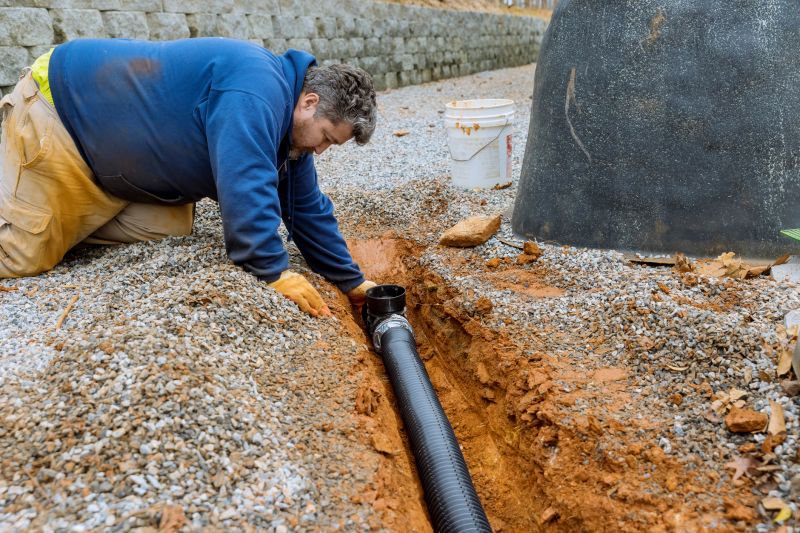
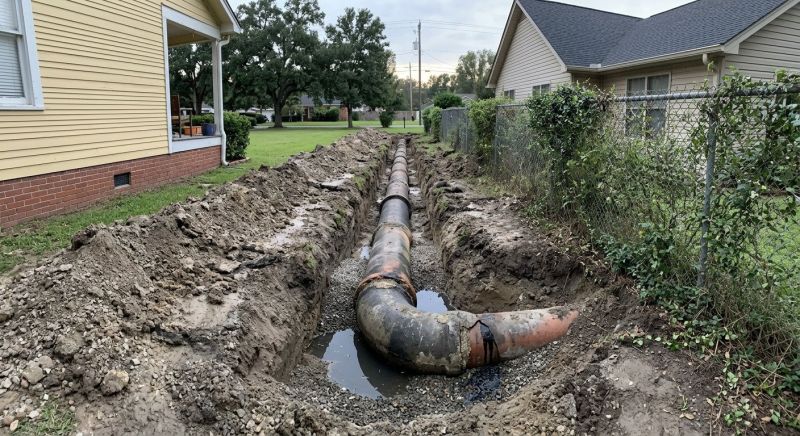
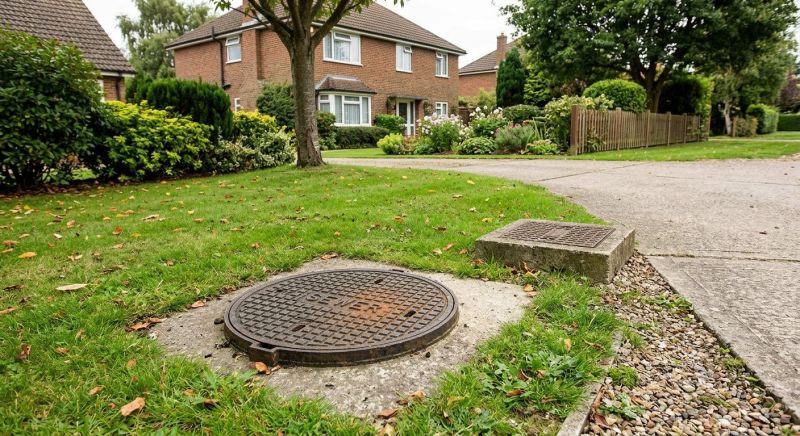
Sewage line installation services involve the setup of underground pipes that carry wastewater from a property to the main sewer system. These projects typically include new construction sites, property expansions, or replacements of aging or damaged sewer lines. Homeowners often seek this service when building new structures, upgrading outdated piping, or addressing persistent drainage issues that require a reliable and efficient sewage system. Understanding the scope of the work, including the extent of excavation and the materials used, helps property owners plan and coordinate with service providers effectively.
Before requesting sewage line installation, property owners should consider factors such as the location of existing sewer connections, the type of soil on the property, and any local regulations or permits required for underground work. It is also helpful to have a clear idea of the project size and whether existing infrastructure needs to be modified or extended. Proper planning and understanding of these elements can ensure the installation process proceeds smoothly and meets the specific needs of the property.
Many property owners in Denver, CO look into Sewage Line Installation for repairs, replacements, upgrades, and appearance-related improvements.
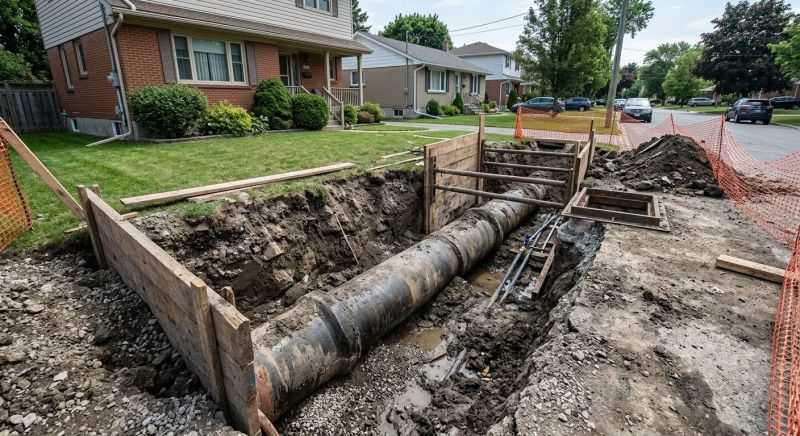
Sewage Line Installation Options
Different types of sewage lines are suitable for various property layouts and needs in denver.
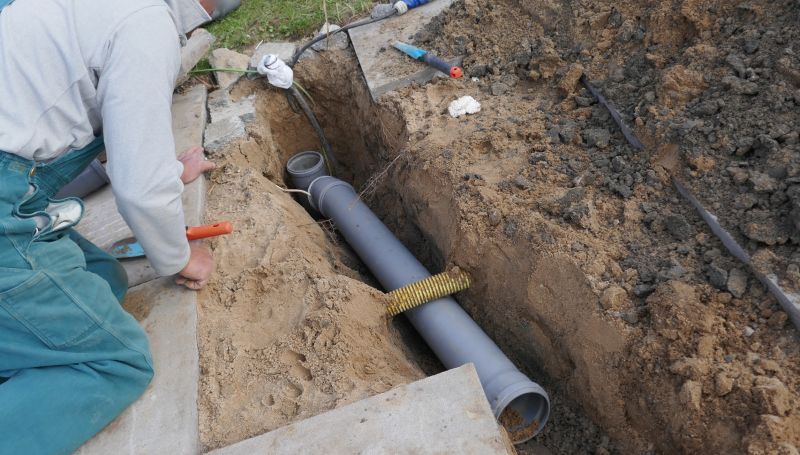
Signs You Need New Sewage Lines
Property owners may notice slow drains, unpleasant odors, or backups indicating the need for sewer line replacement.
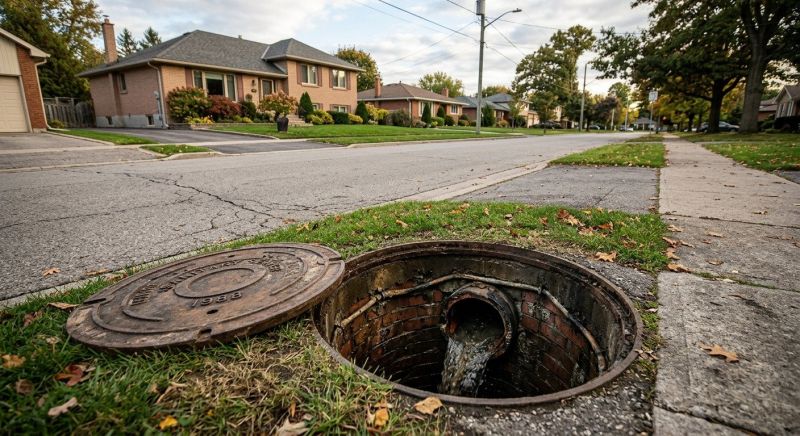
Planning For Sewage System Upgrades
Proper installation ensures reliable sewage flow and helps prevent costly repairs in denver homes and businesses.
Sewage Line Installation in Denver, CO

Sewage line installation services involve the setup of underground pipes that carry wastewater from a property to the main sewer system. These projects typically include new construction sites, property expansions, or replacements of aging or damaged sewer lines. Homeowners often seek this service when building new structures, upgrading outdated piping, or addressing persistent drainage issues that require a reliable and efficient sewage system. Understanding the scope of the work, including the extent of excavation and the materials used, helps property owners plan and coordinate with service providers effectively.
Before requesting sewage line installation, property owners should consider factors such as the location of existing sewer connections, the type of soil on the property, and any local regulations or permits required for underground work. It is also helpful to have a clear idea of the project size and whether existing infrastructure needs to be modified or extended. Proper planning and understanding of these elements can ensure the installation process proceeds smoothly and meets the specific needs of the property.
Many property owners in Denver, CO look into Sewage Line Installation for repairs, replacements, upgrades, and appearance-related improvements.
Common Sewage Line Installation Jobs
Sewage Line Installation - Installing new sewer lines to ensure proper waste removal from homes and buildings.
Replacement Services - Upgrading or replacing aging or damaged sewer lines to prevent leaks and backups.
Residential Sewer Line Installation - Installing sewer systems for new homes or additions to meet plumbing needs.
Drain Line Connections - Connecting property drain systems to the main sewer line for efficient waste flow.
Underground Sewer Line Setup - Installing underground sewer pipes to accommodate property layouts and regulations.
Sewer Line Repairs - Repairing or patching existing sewer lines to restore proper function and prevent issues.
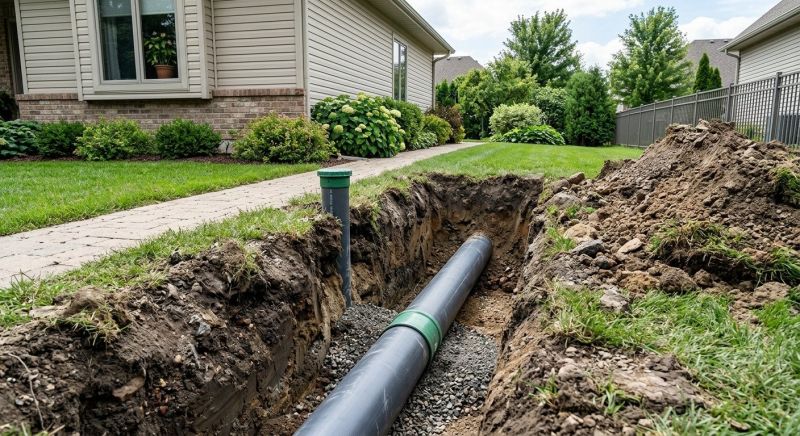
Sewage Line Installation Questions
What is involved in sewage line installation? The process includes planning the layout, digging trenches, and installing pipes to connect to the main sewer system or septic tank.
When is sewage line installation needed? It is typically required during new construction, property renovations, or if existing sewer lines are damaged or outdated.
What types of pipes are used for sewage line installation? Common options include PVC, cast iron, and ABS pipes, chosen based on durability and project requirements.
Are permits required for sewage line installation? Yes, permits are usually needed to ensure the work complies with local building codes and regulations.
Request Sewage Line Installation in Denver, CO
Use the quote form on this page to share the basics of your project and request more information for the type of work you need.