Sewer Line Installation in Denver, CO
Sewer line installation services involve setting up the underground pipes that carry wastewater from a property to the municipal sewer system or a septic system. These projects are essential when constructing a new home, replacing aging or damaged sewer lines, or making significant renovations that require rerouting existing plumbing. Property owners typically want to understand the scope of the installation process, including the materials used, the duration of the work, and how it might impact their property. It’s also common to inquire about the best practices for ensuring the new sewer line functions properly and complies with local codes.
Before requesting sewer line installation, property owners should consider factors such as the location of existing utilities, the accessibility of the installation site, and the condition of the current sewer infrastructure. Understanding the size and type of sewer pipe suitable for the property’s needs can help in planning the project effectively. Additionally, clarifying whether any permits or inspections are required can ensure the installation process proceeds smoothly and meets local regulations.
Many property owners in Denver, CO look into Sewer Line Installation for repairs, replacements, upgrades, and appearance-related improvements.
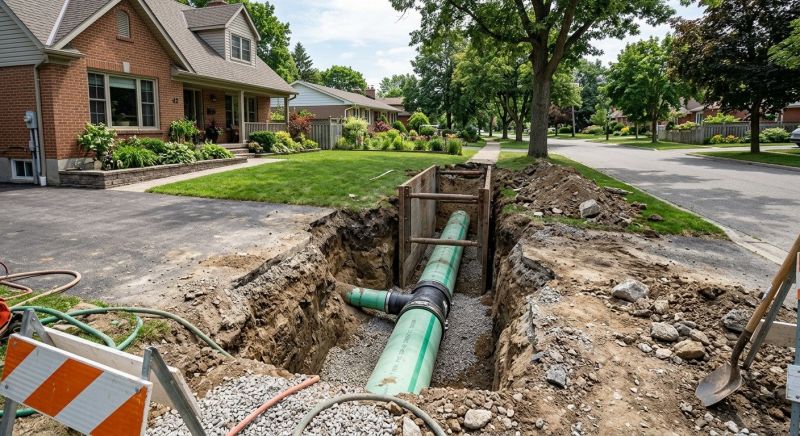
Sewer Line Installation Basics
Proper installation ensures reliable wastewater removal for residential and commercial properties.
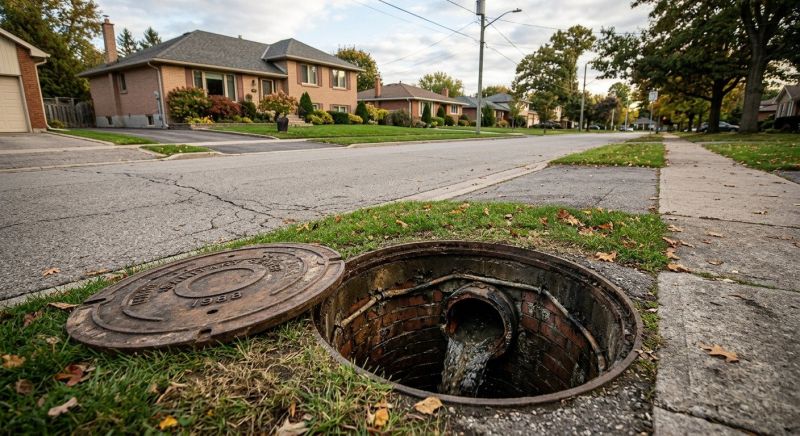
Signs You Need Sewer Line Replacement
Indicators like backups, odors, or slow drains can suggest issues with existing sewer lines in denver homes.
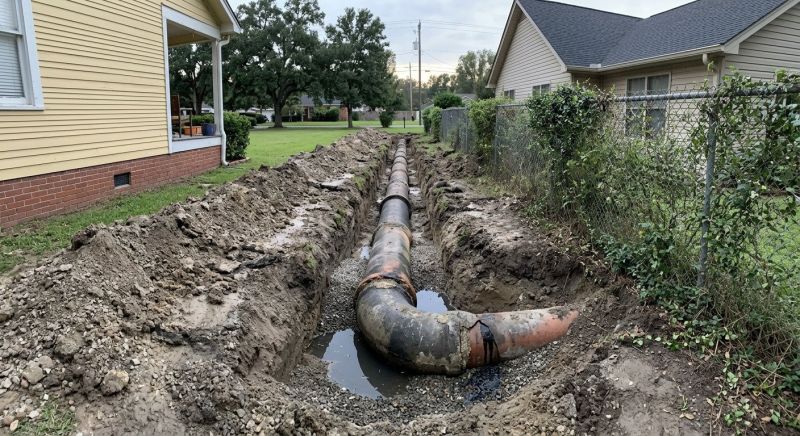
Choosing The Right Materials
Selecting durable piping options helps prevent future blockages and ensures long-term performance of sewer systems.
Sewer Line Installation in Denver, CO

Sewer line installation services involve setting up the underground pipes that carry wastewater from a property to the municipal sewer system or a septic system. These projects are essential when constructing a new home, replacing aging or damaged sewer lines, or making significant renovations that require rerouting existing plumbing. Property owners typically want to understand the scope of the installation process, including the materials used, the duration of the work, and how it might impact their property. It’s also common to inquire about the best practices for ensuring the new sewer line functions properly and complies with local codes.
Before requesting sewer line installation, property owners should consider factors such as the location of existing utilities, the accessibility of the installation site, and the condition of the current sewer infrastructure. Understanding the size and type of sewer pipe suitable for the property’s needs can help in planning the project effectively. Additionally, clarifying whether any permits or inspections are required can ensure the installation process proceeds smoothly and meets local regulations.
Many property owners in Denver, CO look into Sewer Line Installation for repairs, replacements, upgrades, and appearance-related improvements.
Common Sewer Line Installation Jobs
Residential sewer line installation - new sewer lines are installed to replace outdated or damaged systems.
Commercial sewer line installation - large-scale projects for business properties to ensure proper waste management.
Septic system installation - setting up septic tanks and lines for properties without access to municipal sewer systems.
Main sewer line replacement - upgrading or replacing the primary sewer line to prevent backups and leaks.
Trenchless sewer installation - minimally invasive methods for installing or replacing sewer lines with less disruption.
Emergency sewer line installation - urgent work to restore sewer service after damage or failure occurs.
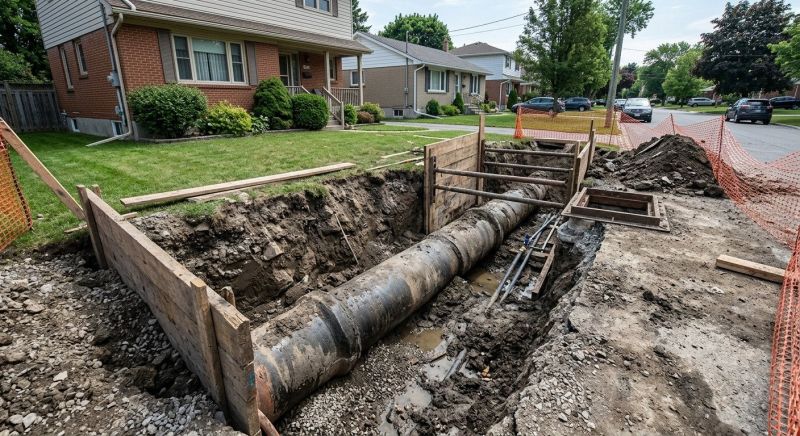
Sewer Line Installation Questions
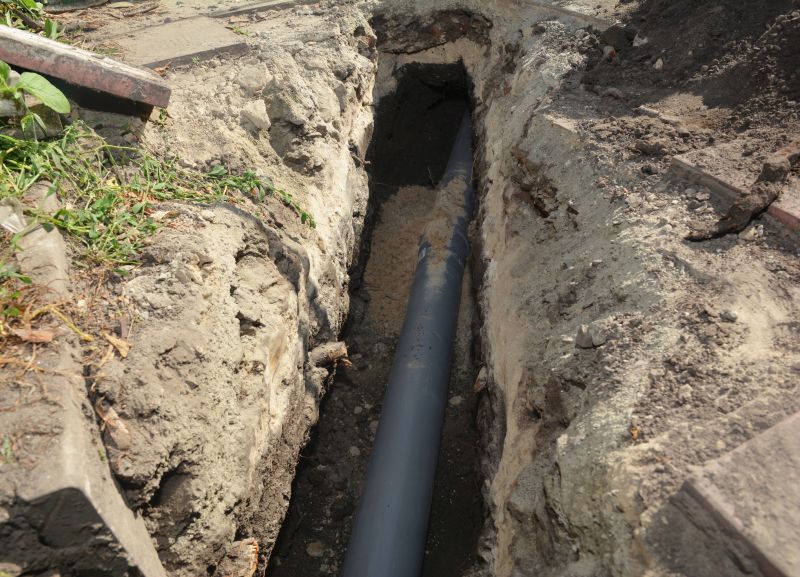
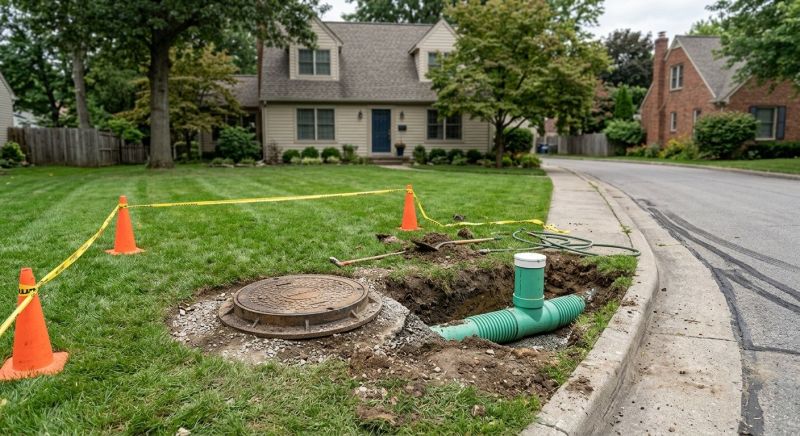
What is involved in sewer line installation? It includes excavating the area, replacing or installing new pipes, and restoring the site afterward to ensure proper waste flow.
When should property owners consider sewer line installation? Installation is typically needed when existing pipes are damaged, outdated, or when adding new plumbing for renovations or additions.
Are there different types of sewer lines for residential properties? Yes, options include traditional clay or cast iron pipes, as well as newer PVC or HDPE materials, depending on project needs.
What signs indicate a sewer line may need replacement? Signs include persistent backups, foul odors, slow drains, or visible pipe damage in the yard or basement.
Request Sewer Line Installation in Denver, CO
Use the quote form on this page to share the basics of your project and request more information for the type of work you need.