Underground Pipe Installation in Denver, CO
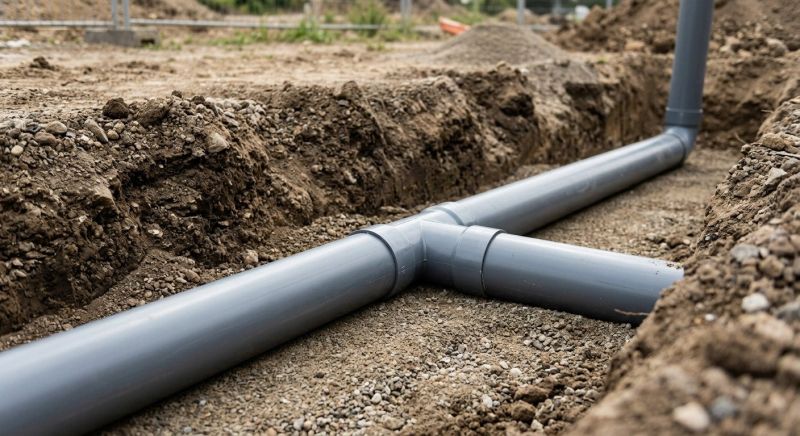
Underground pipe installation services involve the placement of essential piping systems beneath the surface of a property to support various utilities and functions. This service is commonly used for projects such as water supply lines, sewer and drainage systems, sprinkler systems, and gas lines. Property owners considering underground piping often want to understand the scope of the installation process, the types of materials used, and how the work may impact their landscape or existing structures. Proper planning ensures the pipes are installed safely and efficiently, minimizing disruptions and ensuring long-term reliability.
Before requesting underground pipe installation, property owners typically seek information about the project’s requirements, including the depth and route of the pipes, local regulations or permits needed, and potential excavation impacts. It’s also helpful to understand the importance of accurate planning to prevent future issues such as leaks, blockages, or damage to existing underground utilities. Clear communication about these details can help ensure the installation meets the property's needs and adheres to safety standards.
Many property owners in Denver, CO look into Underground Pipe Installation for repairs, replacements, upgrades, and appearance-related improvements.
Underground Pipe Installation Overview
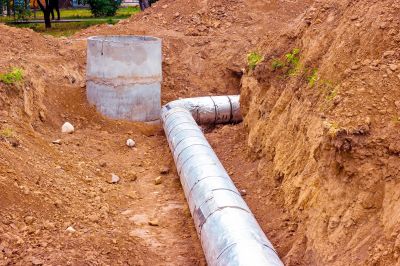
Proper installation ensures reliable water, sewer, and drainage systems for residential and commercial properties.
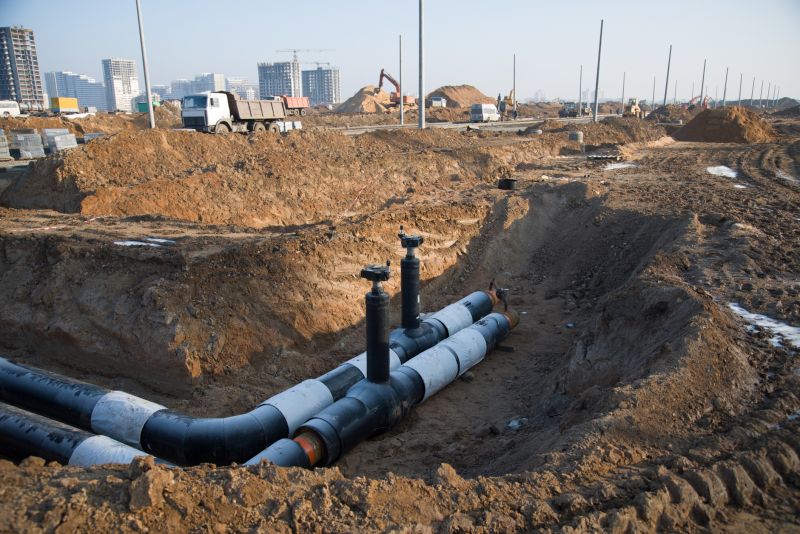
Common Projects And Applications
Services include installing new pipelines for homes, replacing aging pipes, and extending existing systems in denver and nearby areas.
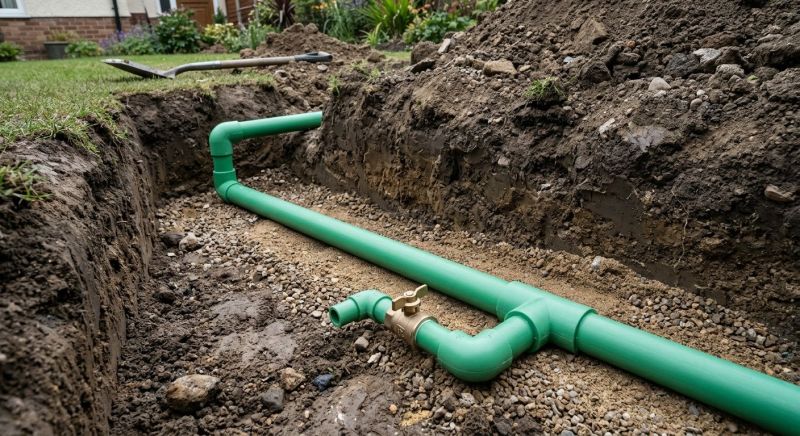
What Property Owners Should Know
Quality underground pipe installation requires careful planning, appropriate materials, and adherence to local codes to prevent future issues.
Underground Pipe Installation in Denver, CO

Underground pipe installation services involve the placement of essential piping systems beneath the surface of a property to support various utilities and functions. This service is commonly used for projects such as water supply lines, sewer and drainage systems, sprinkler systems, and gas lines. Property owners considering underground piping often want to understand the scope of the installation process, the types of materials used, and how the work may impact their landscape or existing structures. Proper planning ensures the pipes are installed safely and efficiently, minimizing disruptions and ensuring long-term reliability.
Before requesting underground pipe installation, property owners typically seek information about the project’s requirements, including the depth and route of the pipes, local regulations or permits needed, and potential excavation impacts. It’s also helpful to understand the importance of accurate planning to prevent future issues such as leaks, blockages, or damage to existing underground utilities. Clear communication about these details can help ensure the installation meets the property's needs and adheres to safety standards.
Many property owners in Denver, CO look into Underground Pipe Installation for repairs, replacements, upgrades, and appearance-related improvements.
Common Underground Pipe Installation Jobs
Underground water line installation - ensures reliable water supply to residential properties.
Drainage pipe installation - helps prevent basement flooding and manages surface water runoff.
Gas line installation - provides safe underground routing for natural gas connections.
Sewer line replacement - addresses damaged or aging sewer pipes to maintain proper waste flow.
Utility pipe installation - supports the installation of electrical, cable, or communication lines underground.
Stormwater pipe installation - manages rainwater runoff to protect property foundations and landscaping.
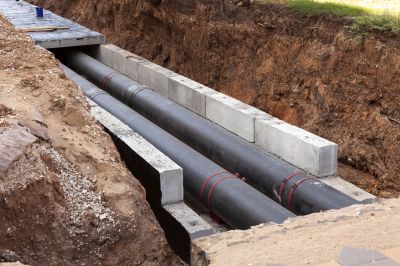
Underground Pipe Installation Questions
What types of underground pipes are typically installed? Common installations include water supply lines, sewer lines, and drainage pipes for property improvements.
Why is proper trenching important for pipe installation? Proper trenching ensures pipes are laid at correct depths and slopes, preventing future issues like leaks or blockages.
How deep are underground pipes usually installed? Installation depths vary based on local codes and pipe functions, but generally range from 18 inches to several feet below ground surface.
What should property owners know before starting pipe installation? It's important to understand existing underground utilities and ensure proper permits are obtained for a safe, compliant project.
Request Underground Pipe Installation in Denver, CO
Use the quote form on this page to share the basics of your project and request more information for the type of work you need.