Sewer Repair in Denver, CO
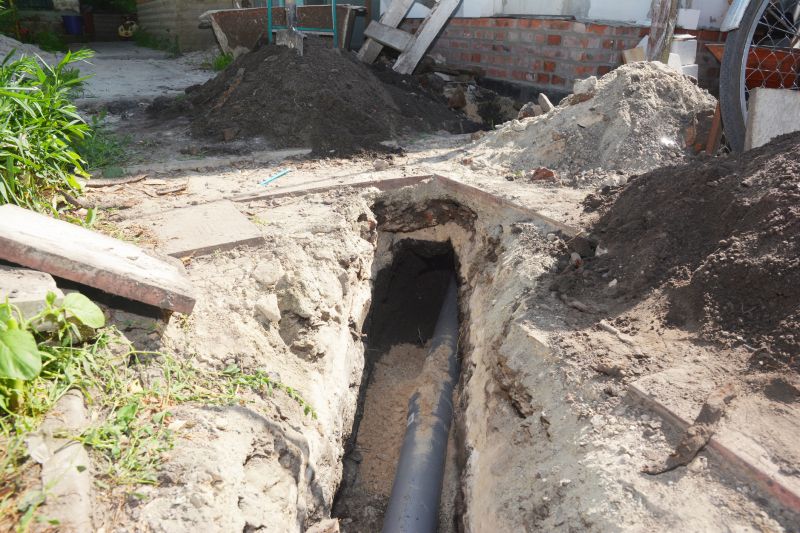
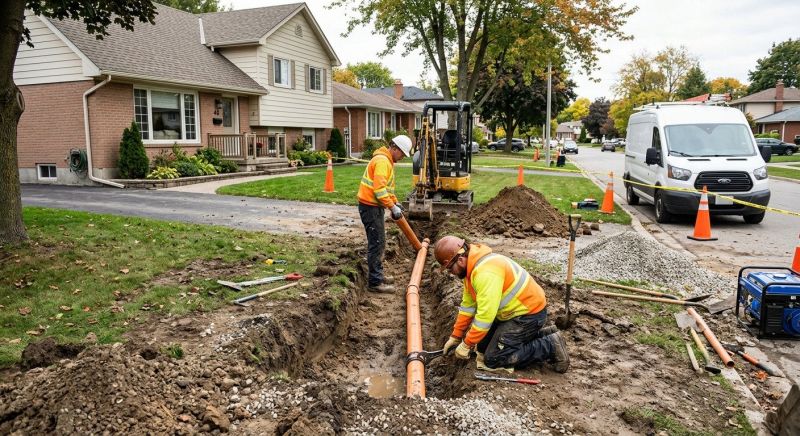
Sewer repair services address issues related to underground sewer lines that may become damaged, cracked, clogged, or deteriorated over time. These projects typically involve locating the problem area, assessing the condition of the pipes, and performing necessary repairs or replacements to restore proper function. Property owners often seek sewer repair when experiencing persistent backups, foul odors, slow drains, or visible signs of pipe damage, ensuring that their plumbing system operates efficiently and prevents potential property damage.
Before requesting sewer repair, homeowners should understand the scope of the work involved, including whether the project requires excavation or can be completed using trenchless techniques. It’s also helpful to know the age and material of existing sewer lines, as these factors influence repair options and longevity. Clarifying the extent of the damage and discussing any specific concerns about property access or disruptions can help ensure the repair process proceeds smoothly and effectively.
Many property owners in Denver, CO look into Sewer Repair for repairs, replacements, upgrades, and appearance-related improvements.
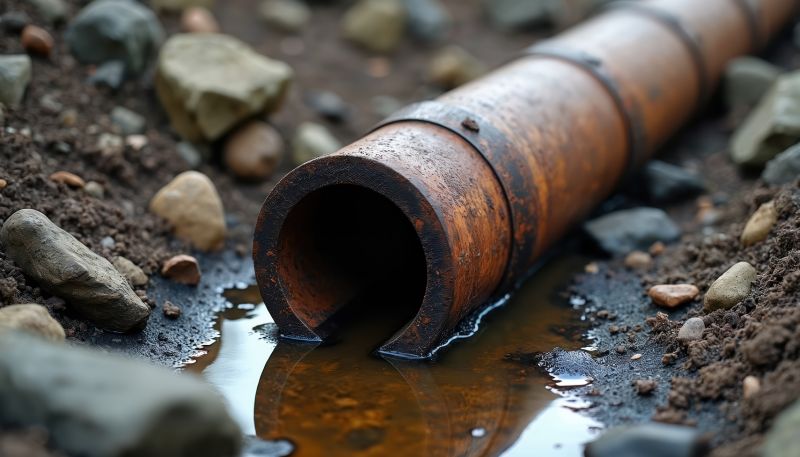
Signs Of Sewer Problems
Homeowners should watch for slow drains, foul odors, or sewage backups that indicate sewer issues.
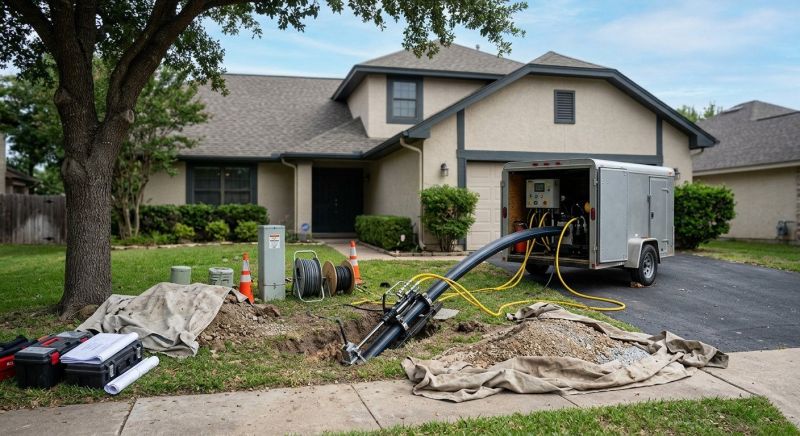
Common Repair Solutions
Repairs often involve pipe lining, replacement of damaged sections, or clearing blockages to restore proper flow.
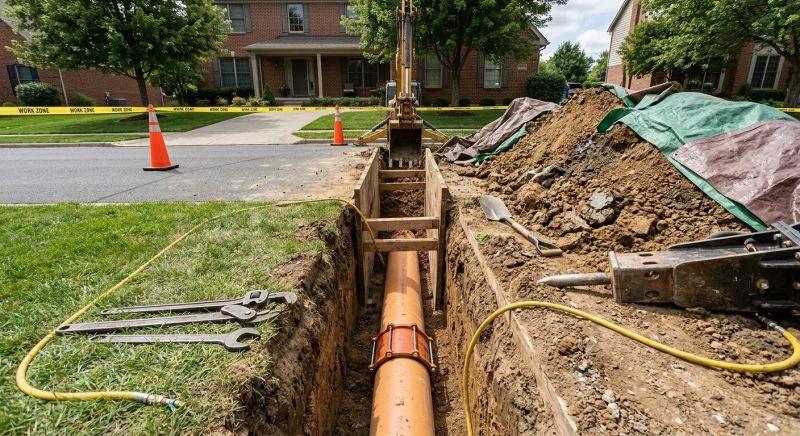
Preventive Maintenance Tips
Regular inspections and avoiding flushing non-degradable items can help prevent costly sewer repairs in denver homes.
Sewer Repair in Denver, CO

Sewer repair services address issues related to underground sewer lines that may become damaged, cracked, clogged, or deteriorated over time. These projects typically involve locating the problem area, assessing the condition of the pipes, and performing necessary repairs or replacements to restore proper function. Property owners often seek sewer repair when experiencing persistent backups, foul odors, slow drains, or visible signs of pipe damage, ensuring that their plumbing system operates efficiently and prevents potential property damage.
Before requesting sewer repair, homeowners should understand the scope of the work involved, including whether the project requires excavation or can be completed using trenchless techniques. It’s also helpful to know the age and material of existing sewer lines, as these factors influence repair options and longevity. Clarifying the extent of the damage and discussing any specific concerns about property access or disruptions can help ensure the repair process proceeds smoothly and effectively.
Many property owners in Denver, CO look into Sewer Repair for repairs, replacements, upgrades, and appearance-related improvements.
Common Sewer Repair Jobs
Sewer Line Repair - addresses cracked or broken sewer lines to prevent leaks and backups.
Sewer Pipe Replacement - involves removing damaged pipes and installing new ones to restore proper flow.
Drain Line Repair - fixes clogged or collapsed drain lines to ensure effective waste removal.
Trenchless Sewer Repair - offers minimally invasive solutions to repair sewer lines without extensive digging.
Sewer Line Inspection - uses camera technology to diagnose issues inside sewer pipes accurately.
Emergency Sewer Services - provides prompt assistance for urgent sewer backups or failures.
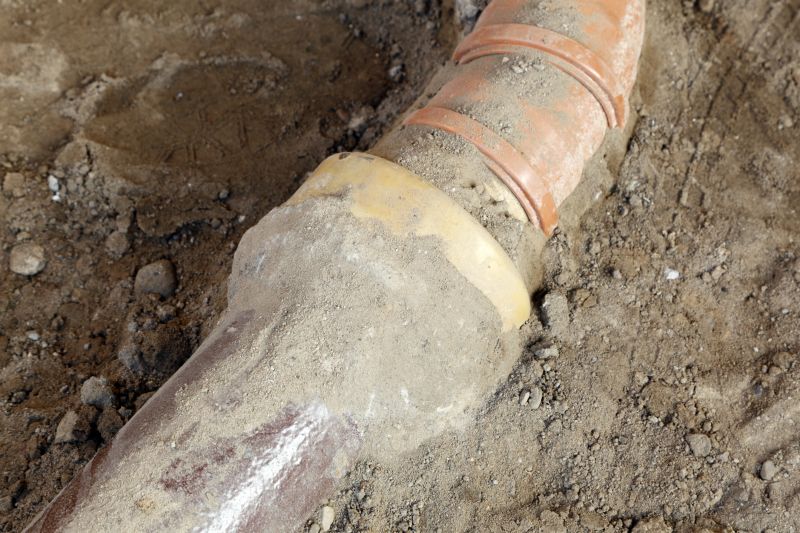
Sewer Repair Questions
What are common signs of sewer problems? Signs include persistent odors, slow drains, gurgling sounds, or sewage backups in the property.
What causes sewer line issues? Causes can include tree root intrusion, pipe corrosion, blockages from debris, or shifting soil.
How is sewer repair typically performed? Repairs often involve locating the problem, then replacing or lining damaged pipe sections to restore flow.
When is sewer replacement necessary? Replacement is needed if pipes are severely damaged, cracked, or have persistent issues that cannot be repaired.
Request Sewer Repair in Denver, CO
Use the quote form on this page to share the basics of your project and request more information for the type of work you need.